
Explore how intentional fall decor adjustments, heavy textiles, and local botanicals enhance your residence and psychological well-being.
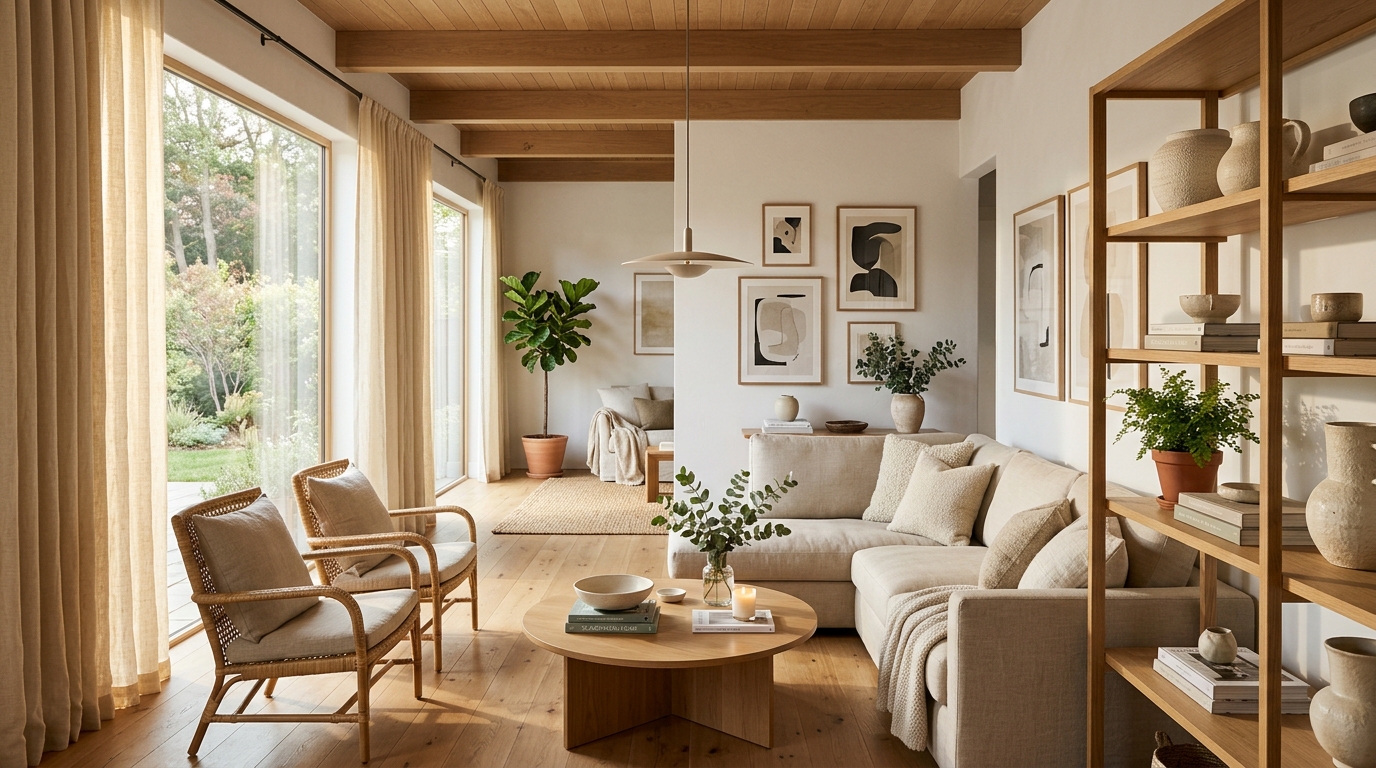
In Northern and Western Europe, the transition between climate cycles feels deeply tangible. The long, buoyant daylight of midsummer gradually yields to lower golden sun angles, followed by deep, contemplative twilights. Adapting your environment to these shifting external conditions provides significant psychological grounding. Implementing thoughtful fall decor adjustments allows your space to breathe alongside the natural world. Rather than engaging in wasteful consumerism, the most satisfying aesthetic updates remain quiet, intentional, and circular. By shifting a few core sensory elements—such as physical weight, ambient lighting, and botanical presence—your residence easily adapts to the changing climate outside. Environmental psychologists confirm that modifying your surroundings to reflect natural rhythms actively reduces stress and increases overall fulfillment.
Static indoor environments often disconnect human minds from the restorative cycles of nature. Biophilic design principles emphasize the necessity of connecting human-built spaces to the outdoors. When you engage in deliberate fall decor adjustments, you provide your brain with essential sensory cues that align with shifting weather patterns. This practice combats the gloom often associated with colder months. Surrounding yourself with cozy textures and natural elements transforms a stagnant room into a restorative sanctuary. Engaging in this process early builds positive anticipation and stirs joyful nostalgia. Psychotherapists frequently note that rearranging a room gives individuals a tangible sense of control over their immediate environment.
Textiles represent the quickest and most tactile method to recalibrate any room. As temperatures drop, lightweight cottons lose their functional and visual appeal. You should replace these breezy fabrics with dense, garment-washed Belgian flax linen and heavy wool throws. The physical weight of these materials provides a grounding, comforting sensation. Introduce cushions featuring warm earth undertones, such as rich terracotta, sage mist, and deep oatmeal, which effortlessly reflect outdoor foliage. This heavy textile utilization transforms the entire sensory experience of your seating areas. A residence should always breathe with the external environment, feeling crisp and airy during warm spells while remaining cocooning and candlelit when the chill sets in.
Beyond aesthetics, dense fabrics serve highly practical purposes during cooler transitions. Thicker linen drapes effectively trap warmth near historic single or double-glazed windows. This added insulation reduces energy consumption while creating a profound sense of visual enclosure during the long evenings. Drawing heavy curtains physically signifies the end of the day, signaling the brain to wind down and rest. You can further enhance this cocooning effect by layering rugs over hard flooring surfaces.
Readers seeking detailed guidance on optimizing these communal spaces can explore strategies for cultivating a warm and welcoming environment.
Botanical elements provide another powerful avenue for seasonal alignment. Rather than purchasing greenhouse flowers transported from across the globe, you should embrace local botanical integration. The global cut-flower industry carries a massive, often hidden, environmental cost. Highly perishable imported blooms require constant refrigeration and rapid transportation across thousands of miles. Landmark life cycle analyses reveal that imported mixed bouquets generate exponentially higher carbon emissions than locally grown equivalents. Furthermore, overseas commercial farming frequently relies on heavy chemical applications that damage local ecosystems. By rejecting imported flowers, you directly reduce your household carbon footprint while supporting sustainable agricultural practices.
Celebrating regional harvests brings genuine authenticity into your living spaces. Foraged dried teasels, intricate seed pods, hazel branches, and wild berry twigs offer striking sculptural beauty. Arranging these native elements inside unglazed terracotta vessels creates a profound connection to the surrounding landscape. These localized biophilic transition methods honor the specific flora native to your region. Dried botanicals also require zero water and last indefinitely, completely eliminating the continuous waste cycle connected to fresh cut flowers. You can gather these materials during weekend walks, turning the act of decorating into a mindful, nature-based activity.
Environmental psychologists continually emphasize the profound psychological impact of integrating these natural elements. Research published by the American Psychological Association highlights how engaging with nature and establishing seasonal rituals provides significant stress relief. Bringing local branches and dried seed pods indoors bridges the gap between the structured built environment and the organic wild. This approach aligns perfectly with biophilic design frameworks, which assert that maintaining a connection with natural systems remains essential for indoor psychological well-being. As the leaves fall outside, your interior botanicals should echo that same beautiful decay and structural elegance.
Beyond textiles and botanicals, modifying the placement of your existing possessions serves as one of the most effective fall decor adjustments. Familiarity frequently breeds visual blindness. When objects stay in the exact same position for extended periods, human brains literally cease seeing them. We filter out these static elements to conserve cognitive energy. You can effortlessly combat this visual fatigue by rotating tabletop objects for fresh perspectives. Try moving a favorite ceramic carafe from the dining credenza to your bedroom nightstand. Shift a sculptural vase from the main gathering area into the entryway.
Changing the context of an item immediately renews your appreciation for its craftsmanship. This practice of sensory environment recalibration requires absolutely no financial investment. You simply shop your own residence, uncovering forgotten treasures hidden in plain sight. Moving a stack of art books to a different coffee table or relocating a framed print to a new shelf forces your eyes to engage with the objects anew. This cyclical rotation prevents aesthetic stagnation while satisfying the human desire for novelty. Intentional rearrangement perfectly embodies the philosophy of sustainable, mindful living.
Lighting adjustments play a crucial role in supporting these fall decor adjustments. As the sun rests lower in the sky, stark overhead lighting becomes increasingly jarring. You must adapt your indoor illumination to match the softer, diffused light found outdoors. Transitioning away from stark ceiling fixtures in favor of varied, low-level light sources instantly transforms the mood of a room. Introduce warm-toned bulbs into your existing fixtures to replicate the golden hues of a setting sun. This switch significantly impacts your circadian rhythm, preparing your body for restful sleep as darkness falls earlier in the evening.
Strategically placing task lighting further enhances the cozy, enclosed feeling of the colder months. Positioning smaller light sources near reading nooks or dining areas creates inviting pools of illumination. This technique draws people together, fostering intimacy and conversation. If you are unsure where to begin with ambient lighting, you can consult a comprehensive resource on selecting appropriate table lamps. Balancing shadows and light adds essential depth and dimension to your updated textile arrangements. The interplay between soft shadows and textured fabrics highlights the rich, tactile quality of your newly introduced linens and wools.
Ultimately, transitioning your living space should remain a joyful, intentional practice. You do not need to overhaul your entire house or purchase an array of trendy, mass-produced items. The most impactful fall decor adjustments rely on subtlety and mindfulness. By layering heavier textiles, foraging for local botanicals, and rotating beloved objects, you craft a residence that honors the external environment. This mindful approach cultivates a deep sense of peace, ensuring your space remains a nurturing sanctuary regardless of the weather outside. Let your surroundings evolve organically, reflecting the quiet beauty of the shifting world.
