
Explore circular spatial planning vacancies in Amsterdam. Join our mindful team to design regenerative homes using sustainable materials.
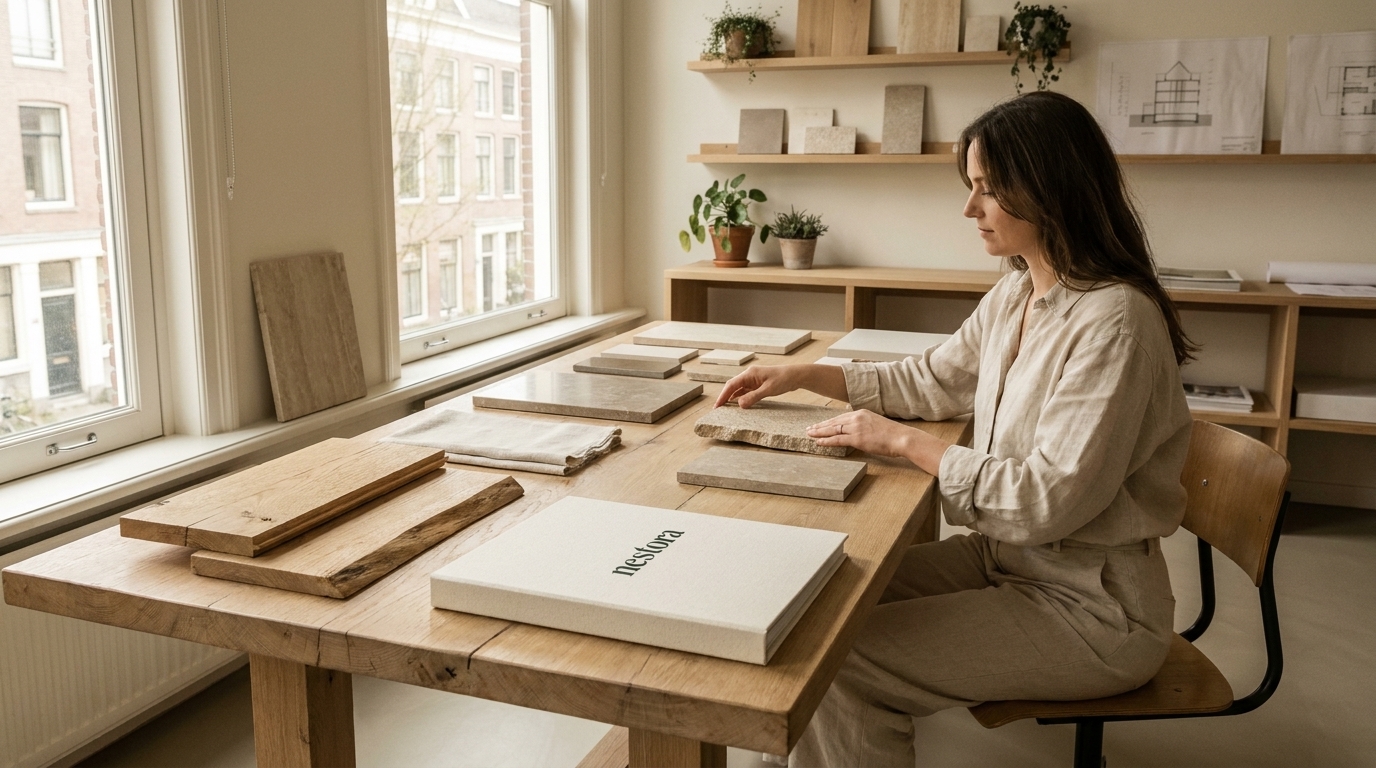
We frequently reflect on the true meaning of sanctuary within modern life. Our living spaces hold incredible power over our daily rhythms, shaping how we rest, gather, and recharge. A profound awakening has taken place across our community of creators. Professionals no longer accept fleeting trends that deplete natural resources. Instead, a collective shift toward longevity and environmental stewardship drives the industry forward. For those who share this vision, the search for meaningful work feels deeply personal. Exploring circular spatial planning vacancies represents much more than a simple career move. It marks a lifelong commitment to shaping mindful environments that respect both human well-being and the earth. We seek to build a world where aesthetics and ecology coexist beautifully.
Many ambitious creators enter this industry because they want to craft breathtaking beauty. They quickly realize that genuine elegance cannot exist without profound responsibility. Every choice carries immense weight and lasting consequences. Selecting materials, finalizing layouts, and curating lighting schemes all shape the future ecosystem. Our community believes that thoughtful habitats quietly influence consumer habits, guiding people toward mindful living. We actively merge high-end aesthetics with uncompromising ethical practices. Designers embrace the challenge of proving that luxury does not require ecological destruction. The movement champions careful curation over mindless consumption, transforming empty rooms into holistic sanctuaries.
Natural elements possess an inherent honesty that synthetic alternatives simply cannot replicate. We feel a deep reverence for the tactile qualities of raw, organic materials. Solid oak brings a grounding warmth to a room, while pure linen softly diffuses incoming daylight. Stone and ceramics add a quiet permanence to every residential project. When we thoughtfully combine these textures, we create environments characterized by quiet, refined warmth. The philosophy of understated European living revolves entirely around this precise balance. We deliberately strip away the unnecessary to reveal the essential core of a space.
Crafting these spaces requires immense intentionality and rigorous discipline. Our color palettes intentionally remain earthy and grounded, drawing inspiration directly from nature. We gravitate toward creamy off-whites, pale honey woods, muted taupes, and desaturated olive undertones. Keeping the overall color saturation low allows the subtle tonal variations of natural materials to take center stage. This specialized approach demands a delicate touch and a highly trained eye for proportion. We firmly believe that an interior should never feel over-designed or artificial. It should function as a natural extension of the surrounding landscape, inviting inhabitants to slow down.
Location plays a crucial role in shaping our creative development and professional aspirations. Living and working in a progressive city provides endless inspiration and a supportive network of peers. Amsterdam serves as a historic sanctuary for innovators who consistently challenge the established status quo. The municipality acts as a living laboratory for regenerative urban development. Cobblestone streets and historic canals sit alongside cutting-edge green architecture. We feel incredibly fortunate to participate in a local ecosystem that boldly prioritizes the future. This vibrant backdrop encourages us to constantly reimagine what sustainable living looks like in practice.
Local legislation and cultural attitudes heavily influence how we practice our craft every day. The local government sets ambitious targets to eliminate waste entirely and rethink material consumption. You can read more about these bold initiatives through authoritative resources detailing Amsterdam’s Circular Economy 2050 framework, which actively reshapes the built environment. Working within this forward-thinking context empowers us to push creative boundaries without friction. We never have to fight against the current when proposing green solutions. A robust community supports our dedication to recycled material innovation and transparent supply chains.
Progressive studios increasingly implement strict guidelines regarding material life cycles and end-of-use scenarios. We champion principles like “design for disassembly,” ensuring that components can easily separate without damage. Builders use dry connections instead of permanent glues to attach flooring and structural elements. This method allows future generations to reclaim and reuse valuable resources effortlessly. We also prioritize bio-based materials like pressed flax, hemp fiber, and fast-growing mycelium for insulation and acoustic paneling. Upcycling transforms discarded manufacturing waste into stunning visual focal points. These pioneering strategies ensure that every physical element holds ongoing value.
Digital tracking systems further revolutionize how we source and specify architectural components. We advocate for the integration of material passports within all major residential projects. These digital records document the exact composition, origin, and potential reuse value of every installed item. When clients eventually renovate their homes, contractors can instantly identify which elements they can salvage or recycle. This data-driven approach removes the guesswork from salvage operations and prevents high-quality goods from entering landfills. Embracing these advanced methodologies distinguishes leading firms from traditional decorators. Professionals who fill circular spatial planning vacancies must master these concepts.
Finding a company that perfectly aligns with your personal ethics often feels challenging. We proudly welcome forward-thinking professionals into our Nestora family on a regular basis. You can truly integrate your deep passion for the environment into your daily workflow here. Our team operates on a flexible hybrid model, allowing us to discover inspiration both in the studio and out in the world. We deeply value cross-functional collaboration and ensure every voice shapes the creative process. Discovering the right circular spatial planning vacancies allows you to thrive without compromising your morals.
You probably wonder what your daily schedule will actually involve when joining us. Your primary focus requires developing comprehensive residential concepts from initial sketches to final execution. We spend countless hours curating tactile mood boards, refining material palettes, and perfecting subtle color schemes. You will carefully select furnishings, atmospheric lighting, and woven textiles that match our mindful philosophy. If you feel ready to take this meaningful step, we encourage you to explore this interior design opportunity and learn more about our shared mission.
Beautiful ideas must successfully translate into practical, highly livable realities for our clients. Room styling proposals require a delicate equilibrium between visual elegance, absolute physical comfort, and everyday functionality. We spend substantial time advising on furniture proportions to ensure spaces remain open and harmonious. Lighting placement proves equally critical to the overall success of any domestic project. We design illumination schemes that respect natural circadian rhythms and utilize incoming daylight wherever possible. Your technical expertise will guide these crucial decisions, ensuring clients experience genuine tranquility in their newly crafted homes.
Collaboration sits at the very heart of everything we accomplish within our studio. You will work closely alongside our merchandising and e-commerce teams on a daily basis. This synergy ensures our curated furniture collections always appear authentic and appealing to conscious consumers. Sometimes your responsibilities involve supporting product photography sessions or styling seasonal campaign shoots. Other days, you might contribute original thoughts to our editorial content or arrange engaging showroom displays. Every single task offers another chance to communicate our core values to a much broader international audience.
Vision requires the correct technical foundation to transition from imagination into tangible reality. Our studio relies on a robust suite of software to communicate complex ideas clearly to stakeholders. Proficiency in tools like AutoCAD and SketchUp remains essential for drafting precise, scalable 2D layouts. We also heavily utilize Revit and Rhino for mapping out more intricate structural integrations. Your ability to generate accurate construction drawings ensures that builders implement our sustainable material choices correctly on-site. Securing one of our circular spatial planning vacancies requires a strong command of these essential digital platforms.
Visual communication proves equally vital during our immersive client-facing presentations and concept pitches. We want our clients to truly feel the unique atmosphere of a room beforehand. Utilizing powerful rendering engines like V-Ray, Enscape, and 3ds Max helps us achieve this crucial goal. We actively create highly detailed 3D visualizations that highlight the soft micro-contrast of matte finishes. These technical skills bridge the critical gap between abstract imagination and concrete reality. Vivid renderings help clients commit to unconventional green choices with total confidence and absolute peace of mind.
Creative work demands immense emotional capacity and consistent mental energy from our team members. We cannot design nurturing spaces for others if we feel depleted and exhausted ourselves. Our supportive community firmly believes in uplifting one another holistically through tangible benefits. We provide a competitive compensation package of €5000 per month for qualified professionals. This salary recognizes the immense value and specialized technical experience you bring to the table. Solid financial stability provides the peace of mind necessary to focus completely on mastering your intricate craft.
Beyond strong monetary compensation, we provide excellent standard employment benefits designed for longevity. You receive generous statutory Dutch leave, giving you ample time to rest and travel. We also contribute heavily to a solid pension plan to secure your long-term future. A dedicated equipment allowance ensures your home workspace feels just as comfortable as our studio. Outstanding professional development opportunities remain constantly available for all team members. We actively want you to grow alongside us and expand your expertise for many prosperous decades to come. Seeking out circular spatial planning vacancies here means investing in yourself.
We continuously look for talented individuals who hold proper authorization to work locally. Candidates must communicate clearly and effectively in English to collaborate with our international clientele. A strong familiarity with European residential preferences and premium retail helps you settle in quickly. An official degree or equivalent professional training provides the necessary educational foundation we require. Most importantly, we want to review a portfolio that demonstrates your profound awareness of spatial flow. We enthusiastically invite ambitious creators to connect with our team and apply without delay. Let us build a future where every home champions mindful, long-lasting residential living.
