
Discover the hidden environmental impact of cheap home decor and why fast furniture creates a relentless cycle of waste. Learn how transitioning to sustainable interior design, natural materials, and traditional craftsmanship provides lifelong value while dramatically reducing your ecological footprint.
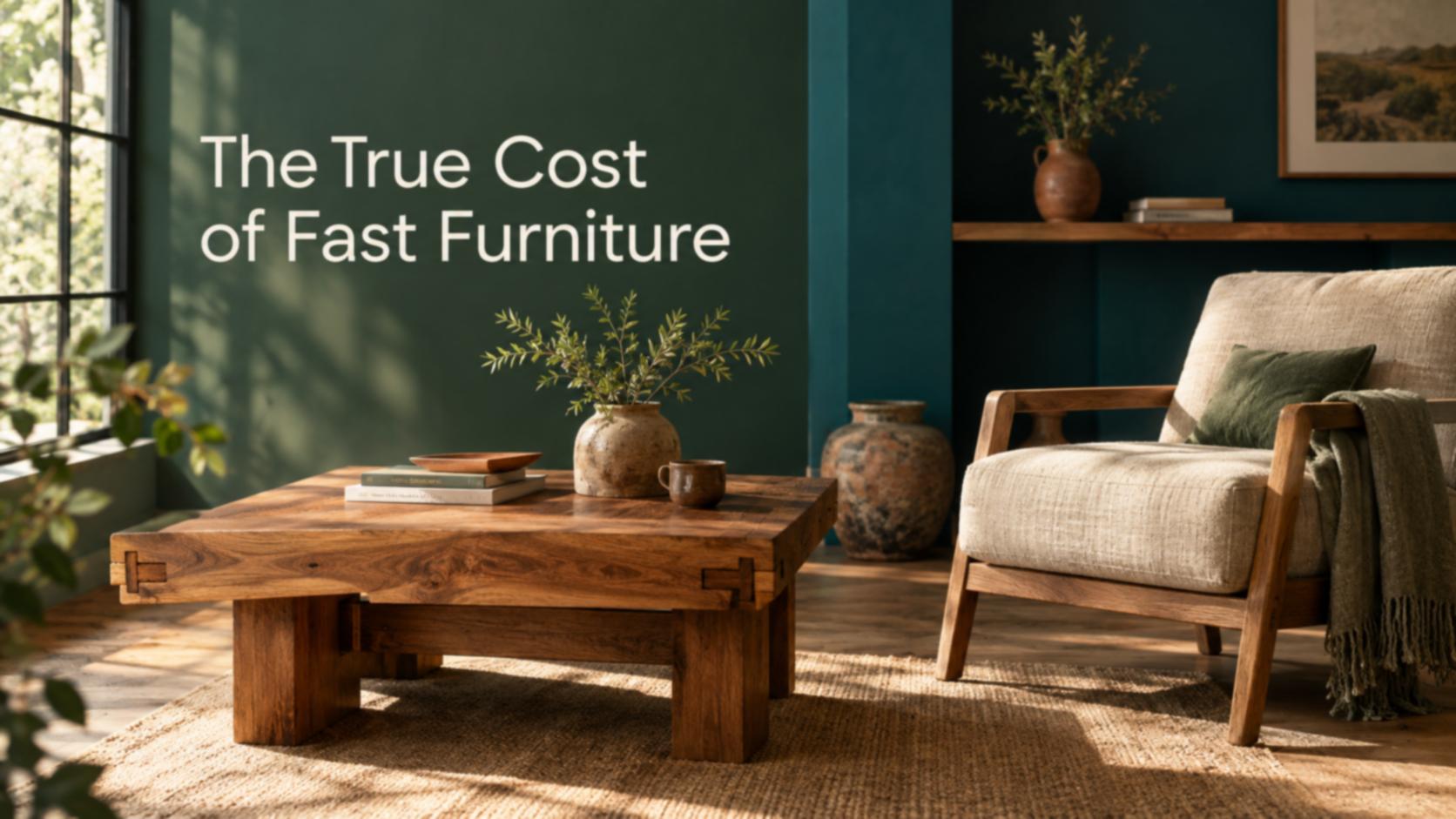
Our homes should be sanctuaries of comfort and personal expression. However, the rise of mass-produced decor has entirely changed how we furnish our living spaces. Today, fast furniture dominates the modern market, offering quick fixes and trendy designs at incredibly low prices. This convenience comes with a steep price tag that extends far beyond the checkout counter. The continuous cycle of buying, breaking, and discarding cheap items is silently degrading our natural environment. Consumers are increasingly waking up to the harsh reality of disposable home goods. We must critically examine what we bring into our spaces and consider the long-term implications of our purchases. This shift in perspective requires us to look past temporary aesthetics and evaluate the true impact of our interior design choices.
Decades ago, purchasing a dining table or a sofa was considered a significant life investment. Families saved for months to acquire pieces that would last for generations. The modern retail landscape looks drastically different today. Brands now manufacture items designed for a single season or a short-term apartment lease. The appeal is undeniably strong for younger demographics or those seeking a quick aesthetic refresh. You can completely transform a living room for a fraction of what it used to cost. This accessibility has democratized interior styling, allowing anyone to follow current trends. Yet, this democratization relies heavily on cutting corners in both material quality and ethical manufacturing.
The speed at which these trends cycle is alarming. What appears fresh and modern today becomes outdated in mere months. Retailers actively encourage this rapid turnover by constantly introducing new collections. Shoppers feel pressured to update their spaces continually to maintain a fashionable home. Consequently, the intrinsic value of domestic objects plummets. We no longer attach sentimental value to our furnishings. They become disposable commodities rather than cherished artifacts of our daily lives. This cultural shift heavily contributes to the normalization of extreme wastefulness in the home goods sector.
The environmental consequences of this consumption pattern are staggering. Millions of tons of discarded tables, chairs, and cabinets end up in landfills every single year. According to the United States Environmental Protection Agency, a significant portion of durable goods waste comes from furnishings, with massive amounts going directly to landfills rather than being recycled. The sheer volume of waste generated by the interior design industry demands immediate attention. When we throw away a broken bookshelf, we are not just discarding wood and metal. We are throwing away the energy used to harvest the raw materials, manufacture the product, and ship it across the globe.
Recycling facilities cannot process most mass-produced items efficiently. Manufacturers construct them from composite materials like particleboard and medium-density fiberboard. These boards consist of sawdust that strong synthetic resins and adhesives hold together. Because factories mix the wood fibers with plastic and toxic glues, these products cannot simply break down in a natural composting environment. They sit in landfills for decades, slowly leaching harmful chemicals into the surrounding soil and groundwater. Furthermore, the synthetic fabrics on cheap upholstery shed microplastics into our water systems every time owners clean them or the elements degrade them.
Mass-market manufacturers prioritize speed and cost reduction over durability. Factories entirely abandon traditional joinery techniques in favor of cheap metal fasteners, staples, and flimsy cam locks. These hardware components inevitably loosen over time, causing structural instability. Once a particleboard joint fails, you will find it nearly impossible to repair. The composite material crumbles and strips away, leaving no solid foundation to reattach a screw. This inherent fragility guarantees a short lifespan. The relentless cycle of continuous consumption and waste forces consumers to replace these items frequently.
The surface finishes on these products are equally problematic. Instead of utilizing durable wood veneers or natural plant oils, factories apply thin plastic laminates that simulate wood grain. These laminates peel, scratch, and bubble easily when exposed to standard moisture or heat. A single misplaced coffee cup can ruin the entire surface of a cheap coffee table. Repairing a damaged laminate surface is largely impractical and often costs more than purchasing a brand new table. Owners frequently discard perfectly functional frames simply because the artificial surfaces have become unsightly.
Recognizing this environmental crisis is the first step toward building a more responsible home. The alternative involves embracing a completely different philosophy of domestic life. Sustainable interior design focuses on creating spaces that stand the test of time both aesthetically and physically. It champions the idea of mindful consumption and deliberate curation. By choosing fewer pieces of higher quality, homeowners can significantly reduce their ecological footprint. This approach encourages us to view our living spaces as ongoing projects rather than empty rooms requiring instant decor solutions.
Transitioning to a sustainable mindset requires patience and clear intention. It means resisting the immediate urge to buy everything at once. Instead of rushing to furnish an empty room, we must learn to live with empty corners while we search for the right piece. This deliberate pacing allows us to save resources and invest in items that truly resonate with our personal style and values. A thoughtfully curated home feels inherently more grounded and authentic than a showroom replica built entirely from disposable goods.
The core of sustainable decor lies in the materials themselves. Solid wood, natural stone, organic cotton, linen, and wool are vastly superior to their synthetic counterparts. Owners can sand, refinish, and repair solid timber countless times over decades of continuous use. If a solid oak table gets scratched, the mark adds character, or the owner can simply polish it to look completely new. Natural textiles breathe better, age more gracefully, and are biodegradable at the end of their lifecycle. Choosing these materials directly combats the proliferation of toxic microplastics and unrecyclable composites.
Furthermore, sourcing materials responsibly remains crucial. Certified sustainable wood ensures that foresters manage woodlands ethically, protecting biodiversity and supporting local ecosystems. Reclaimed wood goes a step further by rescuing materials from old barns, factories, or demolished homes. These recycled elements bring unique textures and rich histories into a modern space. They prove that beautiful interior design does not require the extraction of pristine natural resources. We can create stunning environments by intelligently reusing what already exists in the material stream.
Beyond the raw materials, the method of construction determines the true value of an object. Traditional craftsmanship relies on generations of refined knowledge and skill. Artisans understand how wood expands and contracts with seasonal humidity changes. They use complex joinery like dovetails and mortise-and-tenon connections that allow structural frames to move without breaking. These ancient techniques create enduring stability that no automated factory line can successfully replicate. Supporting independent artisans helps preserve these vital cultural skills while ensuring that you receive a product that professionals built with profound care.
Handcrafted items possess a distinct soul and tangible warmth. You can often see the subtle marks of the maker, reminding you that a real human being dedicated time and effort to create the piece. This deep connection fosters a genuine appreciation for our domestic surroundings. When we understand the intense labor and artistry behind a cabinet or a ceramic vase, we are far less likely to treat it as disposable. We become proud custodians of these objects, preserving them meticulously for future generations to enjoy.
While mass-produced decor appears much cheaper initially, it represents a very poor financial investment over time. Consider a budget sofa that costs a few hundred dollars. Within three years, the low-density foam cushions will flatten, and the synthetic fabric will inevitably pill or tear. The internal frame may begin to sag under daily use. You will soon need to purchase another sofa, spending more money and generating more landfill waste. Over a twenty-year period, replacing cheap items repeatedly costs substantially more than buying one high-quality piece upfront.
A well-crafted sofa features high-resiliency foam, natural upholstery, and a kiln-dried hardwood frame. It may cost three times as much initially, but it will easily last for two decades or longer. When the fabric eventually wears out, the solid frame remains perfectly intact, allowing for straightforward reupholstering. This practice of repair and maintenance forms the foundation of a sustainable economy. It keeps money out of the hands of disposable retail giants and puts it into local upholstery shops and repair services.
A simple comparison illustrates the dramatic difference in long-term value between disposable items and handcrafted goods.
| Feature | Disposable Decor Item | Sustainably Crafted Item |
|---|---|---|
| Internal Frame Material | Glued particleboard and staples | Kiln-dried solid hardwood |
| Expected Lifespan | 3 to 5 years | 20+ years |
| End of Life Path | Toxic landfill waste | Reupholstered or fully repaired |
Transforming your home into a sustainable sanctuary does not require discarding all your current belongings. In fact, throwing away usable items completely contradicts the very principles of sustainability. The transition should be gradual, methodical, and thoughtful. When a replacement becomes genuinely necessary, keep these key principles in mind:
Taking the time to evaluate these crucial factors ensures your next purchase will provide enduring value to your home.
Vintage and secondhand shopping play a massive role in this cultural movement. Antique stores, estate sales, and online marketplaces are treasure troves of high-quality items looking for a second life. Makers built older furnishings to much higher standards using superior, longer-lasting materials. By purchasing secondhand items, you completely eliminate the environmental impact of new manufacturing while securing a unique piece with genuine historical character. It represents the ultimate practical expression of circular design and thoughtful consumption.
Building a thoughtful interior environment is about cultivating a space that nurtures your wellbeing while deeply respecting the planet. It is about waking up surrounded by natural materials that feel good to the touch and objects that tell a meaningful story. This philosophy actively encourages us to slow down our consumption habits and appreciate the quiet beauty of well-made things. Every single purchasing decision becomes an important opportunity to cast a vote for the kind of sustainable world we want to inhabit.
The personal journey toward sustainable interior styling is deeply rewarding. It connects us more intimately with our living spaces and the broader global community. We are steadily moving toward a future where true quality triumphs over sheer quantity. By educating ourselves on responsible sourcing and traditional construction methods, we can finally break free from the harmful cycle of disposability. The profound lifelong value of a beautifully crafted, environmentally sound home far outweighs the fleeting thrill of a cheap retail bargain.
If you are ready to explore the timeless beauty of European living and natural materials, expert guidance can help you make lasting choices. Learning how to identify responsibly sourced pieces transforms the way you view your interior environment. You can experience a more thoughtful way of living at the upcoming sustainable interior design showcase and workshop hosted by Nestora. Reserve your complimentary place to connect with design professionals, witness traditional craftsmanship firsthand, and discover how to build a comfortable sanctuary that honors both your personal aesthetic and the environment.
